What is net metering?
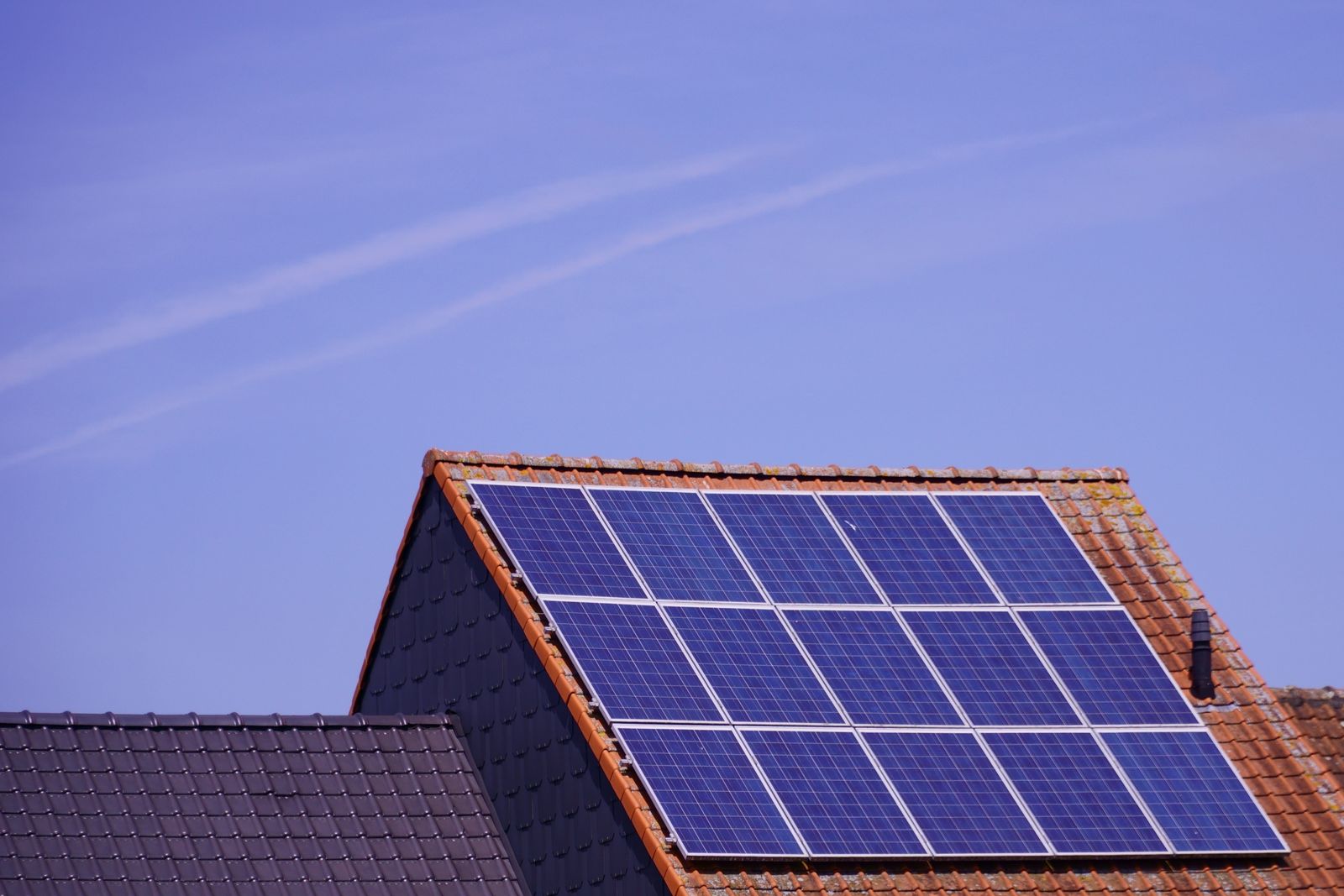
Net metering is a setup for homes and businesses that generate renewable energy on-site, most commonly through rooftop solar. Your solar power is used by your property first. When your panels produce more electricity than your home is using at that moment, the extra power flows to the distribution grid.
A utility meter records the energy you import from the grid and the energy you export to the grid. Your distribution utility then applies eligible export credits to your electric bill.
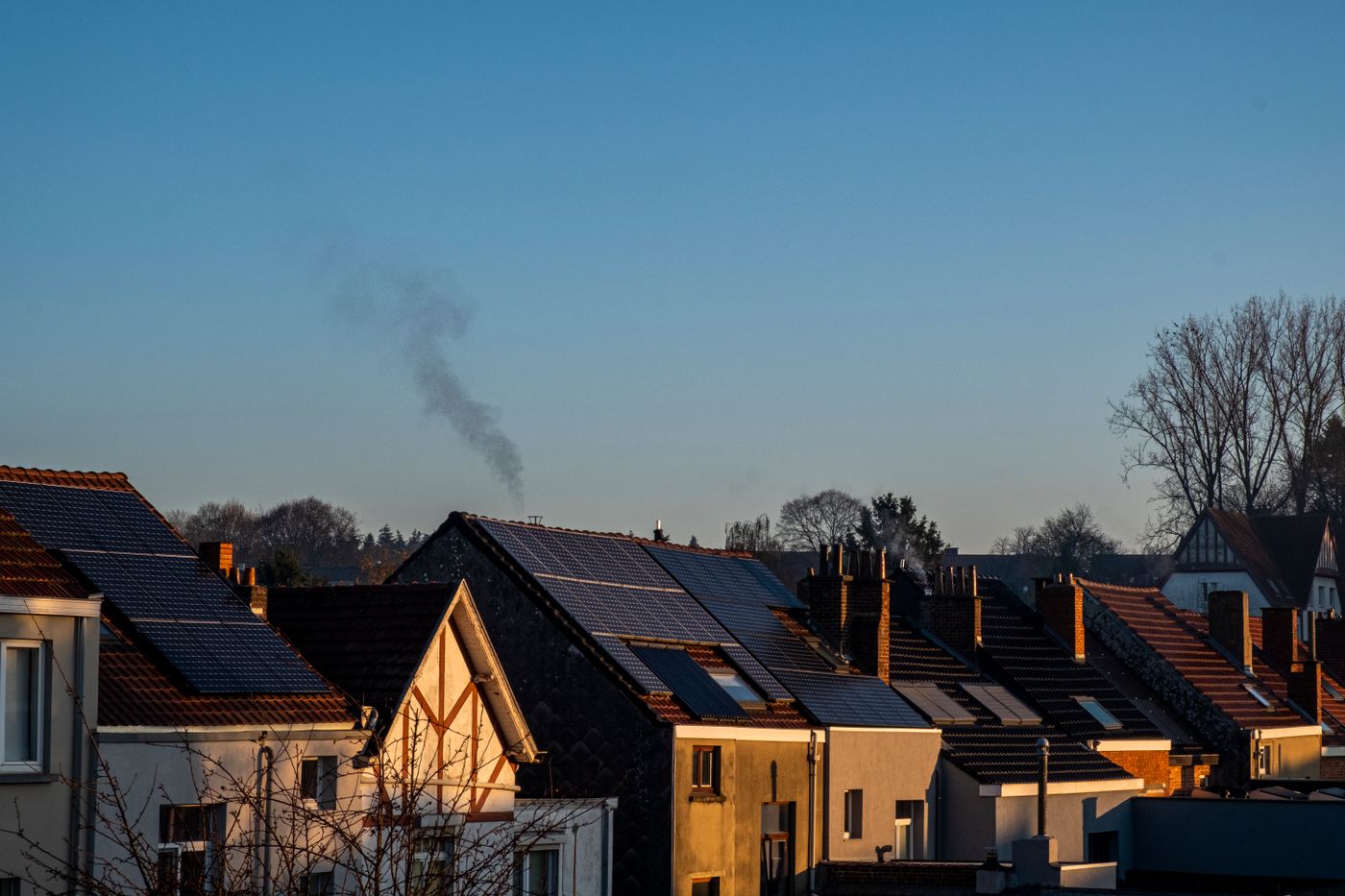
For many Philippine homes, net metering makes the most sense when daytime solar production is higher than daytime household demand.
Photo: Pexels / Marianne RixhonThe Philippine law behind net metering
The legal basis is the Renewable Energy Act of 2008, also known as Republic Act No. 9513. The law defines net metering as a two-way grid connection where a distribution grid user is charged for net electricity consumption and credited for contribution to the electricity grid.
Section 10 of RA 9513 also directs distribution utilities to enter into net-metering agreements with qualified end-users who request it and install eligible renewable energy systems, subject to technical considerations.
The Energy Regulatory Commission then issued ERC Resolution No. 09, Series of 2013, approving the Rules Enabling the Net-Metering Program for Renewable Energy. According to the DOE guide, those rules took effect in the Philippines on July 24, 2013 and apply to on-grid distribution systems.
RA 9513
Creates the legal foundation for renewable energy policy and net metering in the Philippines.
ERC rules
Set the commercial, metering, interconnection, and pricing framework for the program.
DOE policies
Provide guidance and updates meant to improve participation and implementation.
How net metering works on your bill
The simplest way to understand it is to separate your solar power into two buckets: power you use instantly and power you export.
1. Solar produces power
Your panels generate electricity during daylight hours.
2. Your home uses it first
Appliances running during the day consume solar directly.
3. Excess goes to the grid
Unused energy is exported through the meter.
4. Credits reduce the bill
The utility applies peso credits for eligible exported energy.
Example: why self-consumption is more valuable
Suppose your system produces 500 kWh in a billing month. Your home uses 300 kWh immediately during the day, exports 200 kWh, and imports 250 kWh from the grid at night or during cloudy periods.
| Energy bucket | What happens | Bill effect |
|---|---|---|
| 300 kWh self-used | Your home consumes solar directly. | You avoid buying that energy at the retail electricity rate. |
| 200 kWh exported | Extra solar goes to the distribution grid. | You receive peso credits based on the utility's approved crediting method. |
| 250 kWh imported | You draw grid power when solar is low or unavailable. | Your regular bill charges apply, then eligible export credits reduce the amount due. |
In the DOE reference guide, exported energy is credited at the distribution utility's blended generation cost, excluding other generation adjustments. This is why net metering is not usually a full one-to-one swap against the retail rate. The highest value usually comes from using solar power inside your home while it is being produced.
What homeowners usually need before applying
Exact requirements can vary by distribution utility, city, project size, and whether your system is residential or commercial. But in practical terms, a homeowner should expect the process to cover these areas:
- Confirm the system design, inverter type, protection equipment, single-line diagram, and export setup.
- Prepare the net-metering application forms and technical documents required by your distribution utility.
- Secure required electrical permits, inspection documents, or certificates required by local authorities and the utility.
- Wait for utility review, testing, meter changes, and approval before exporting energy for bill credits.
Do not treat export as automatic
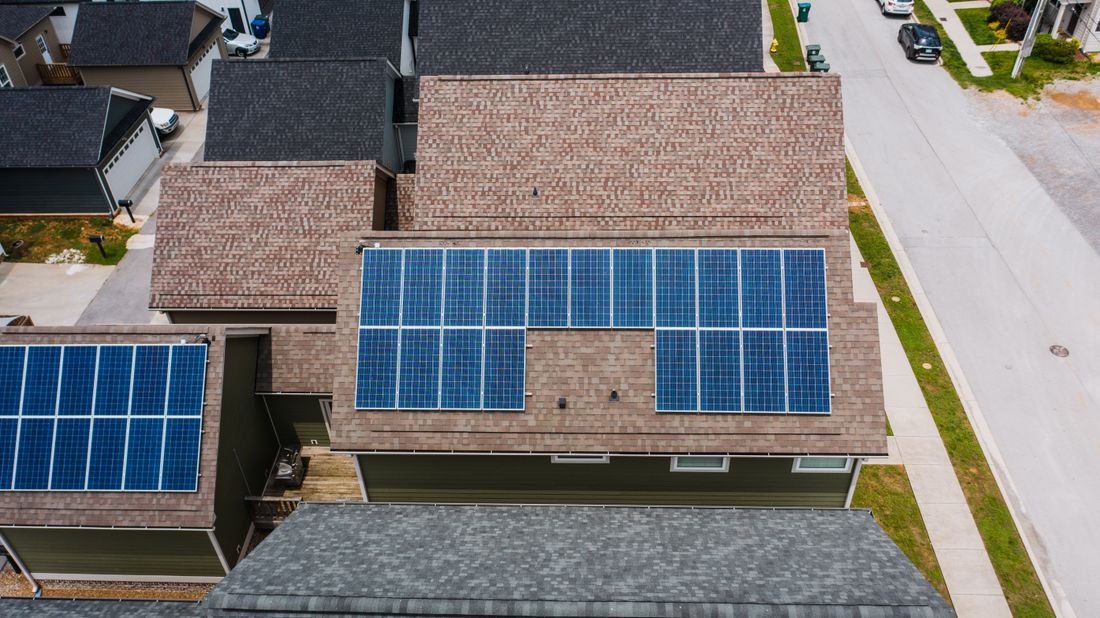
A grid-tied solar system and a net-metering account are not the same thing. A solar installer can build a system that operates safely, but the distribution utility still needs to approve the net-metering arrangement before your exported energy is credited.
Photo: Pexels / KellyCommon misunderstandings
Myth: net metering means free electricity.
Not quite. Solar can reduce your grid consumption and export credits can reduce your bill, but monthly charges, imported energy, and utility rules still matter.
Myth: exported power is paid at the full retail rate.
Self-used solar avoids retail electricity purchases. Exported solar is credited under the applicable net-metering pricing methodology, which is different.
Myth: net metering gives backup power.
Net metering is a billing and grid interconnection program. Backup power requires the right inverter, transfer setup, and usually batteries.
Myth: any solar size is okay.
The Philippine net-metering framework is for eligible renewable energy facilities not exceeding 100 kW under the distributed generation program.
Net metering FAQ for Philippine homeowners
Is net metering available everywhere in the Philippines?
The DOE guide describes the program as available for on-grid distribution systems. If your property is served by an on-grid distribution utility, ask that utility for its current application requirements.
Do I need batteries for net metering?
No. Net metering is commonly used with grid-tied solar without batteries. Batteries are a separate design decision for backup power, self-consumption, or energy management.
What meter is used?
The DOE guide says a distribution utility may use two one-way meters or a single bi-directional meter to measure imported and exported energy, depending on the utility's implementation.
Can credits move across accounts?
DOE policy has been evolving toward multi-site and aggregate net-metering concepts for accounts under the same qualified end-user within the same distribution utility franchise area. Actual implementation depends on applicable ERC rules and utility systems.
Official references
This guide summarizes public information from Philippine energy authorities. Always confirm current requirements with your distribution utility before applying.
Want to know if net metering fits your home?
SolarHome.ph can review your bill, roof space, daytime usage, and backup-power goals so your system is sized around real household economics, not just the maximum number of panels that fit.
Book a free solar assessment