The simple difference
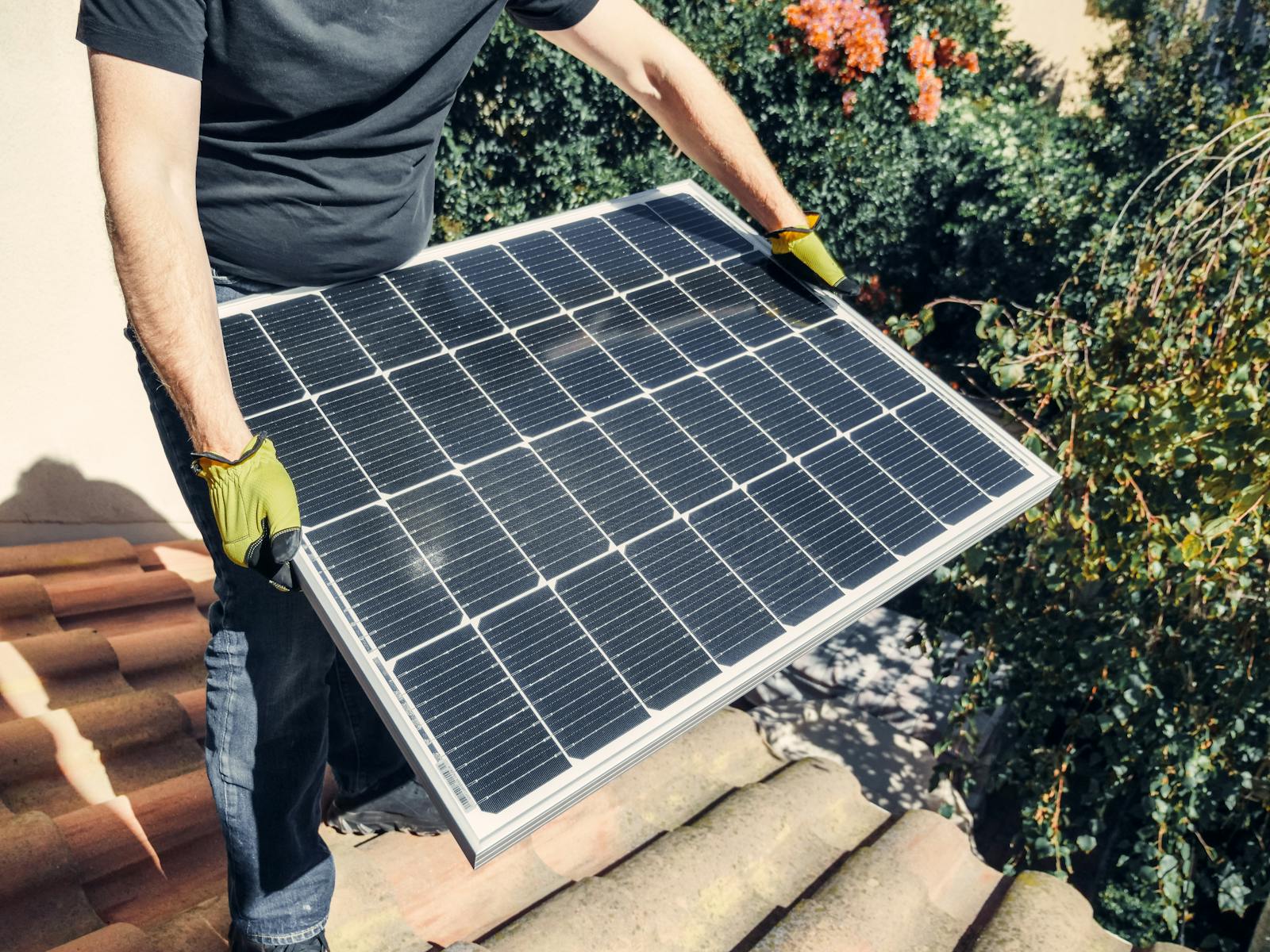
A grid-tied solar system works with your existing utility connection. During the day, your home uses solar power first. When solar is not enough, the grid supplies the balance. If your system is approved for net metering, eligible excess solar can be exported and credited on your bill.
An off-grid solar system is built to operate without the utility grid. It needs enough solar panels, batteries, charge control, inverter capacity, and backup planning to carry the home through cloudy days and night-time loads.
A hybrid system sits between the two. It remains connected to the grid, can use solar for bill savings, and can keep selected appliances running from batteries during an outage when designed correctly.
In Philippine cities and suburbs, grid-tied and hybrid systems are usually more practical than fully off-grid designs because the grid still handles night-time and heavy-load demand.
Photo: Pexels / PixabaySide-by-side comparison
| Question | Grid-tied solar | Off-grid solar | Hybrid solar |
|---|---|---|---|
| Best use case | Lowering monthly electric bills | Powering sites without reliable grid access | Lowering bills while backing up important loads |
| Battery required? | No | Yes, in almost all practical home setups | Yes, for backup operation |
| Works during brownouts? | Usually no, for safety shutdown | Yes, if batteries and inverter are sized properly | Yes, for selected backup circuits |
| Net metering fit | Good fit if approved by the distribution utility | Not applicable to a fully off-grid system | Possible, depending on design and utility approval |
| Cost profile | Lowest of the three for the same solar panel size | Highest because batteries and redundancy matter | Middle to high, depending on battery capacity |
Which setup fits common Philippine situations?
Urban home with high daytime use
Grid-tied solar is often the cleanest fit. Air conditioning, refrigerators, pumps, and work-from-home loads can consume solar while it is produced.
Home with frequent brownouts
Hybrid solar is usually better than standard grid-tied solar because the battery system can support lights, Wi-Fi, fans, refrigerator circuits, and other selected essentials.
Farm, beach house, or island property
Off-grid solar can make sense when utility extension is costly or unreliable, but the design must include rainy-season autonomy and backup strategy.
Brownout backup is the big design divider
Many homeowners assume solar panels automatically work during brownouts. Standard grid-tied inverters are designed to shut down when the grid is out so they do not energize lines while utility crews may be working.
If brownout protection matters, ask for a backup-load plan. A good design separates critical circuits from non-critical loads so the battery is not drained by heavy appliances like large air conditioners, electric ovens, water heaters, or multiple pumps all at once.
Back up the essentials first
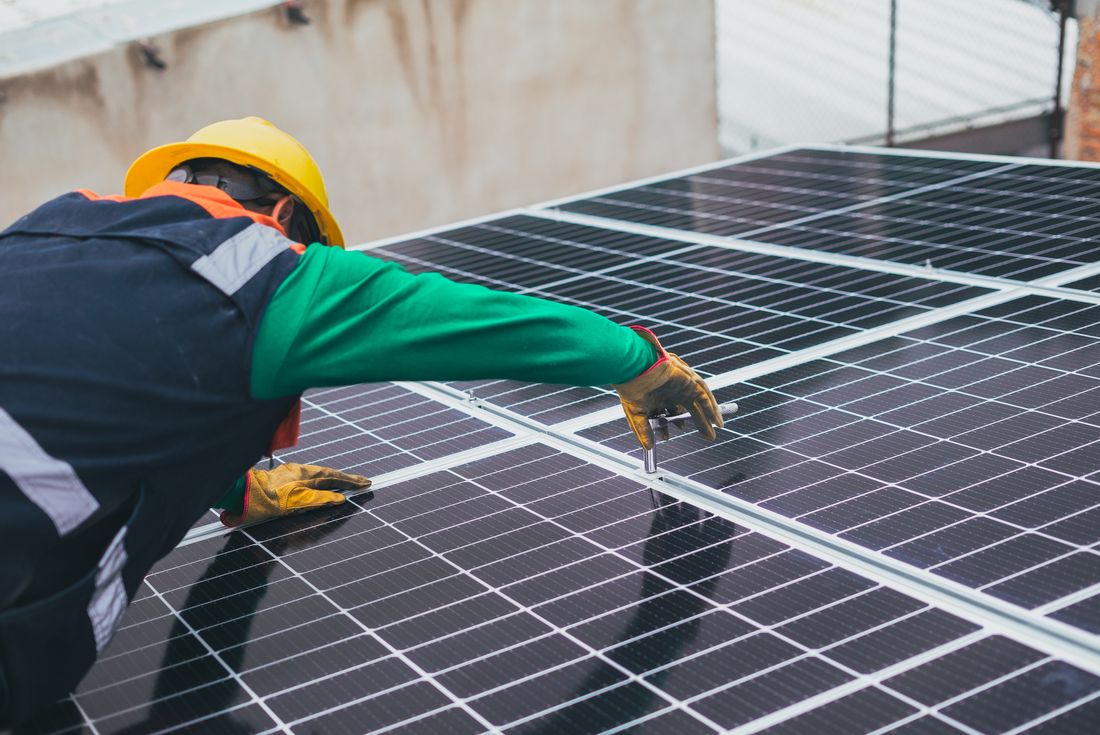
In a Philippine home, practical backup loads often include lights, internet, charging, fans, refrigerator, CCTV, gate motor, and a small pump. Whole-home backup is possible, but it changes battery cost quickly.
Photo: Pexels / Los Muertos CrewCommon mistakes to avoid
Mistake: choosing off-grid just to lower bills.
If the property already has reliable grid service, a fully off-grid system can cost more than necessary because it must replace the grid with batteries and backup margin.
Mistake: buying too little battery.
A small battery can be useful, but it may only cover a few hours of selected loads. Battery sizing should start with the appliances you actually need during outages.
Mistake: ignoring rainy-season performance.
Off-grid and hybrid systems need more planning for cloudy weeks, typhoon season, and days when solar production is much lower than the annual average.
Mistake: assuming net metering is automatic.
Grid connection, export limits, metering, and crediting depend on the distribution utility's approval and technical requirements.
Off-grid vs grid-tied FAQ
Which solar setup is best for most Philippine homes?
For homes already connected to a reliable distribution utility, grid-tied or hybrid solar is usually the practical starting point. Fully off-grid solar is best when grid access is unavailable, very unreliable, or too expensive to extend.
Does grid-tied solar work during a brownout?
Standard grid-tied solar normally shuts down during a brownout for safety. Backup power requires a hybrid inverter, battery, and proper transfer or backup-load configuration.
Do off-grid systems qualify for net metering?
No. Net metering is for eligible on-grid distributed generation connected to a distribution utility. A fully off-grid system is not exporting power to the utility grid.
Can I start grid-tied and add batteries later?
Sometimes, but it depends on the inverter and system architecture. If batteries are likely later, discuss hybrid-ready equipment before installation.
Need help choosing the right setup?
SolarHome.ph can review your bill, brownout concerns, roof space, and appliance priorities so you can compare grid-tied, hybrid, and off-grid options clearly.
Book a free solar assessment